
Backflow Testing in NYC: What Property Owners Need to Know About Annual DEP Compliance
Stephen Ferdinando | Nov 25 2026 14:00
Quick Summary:
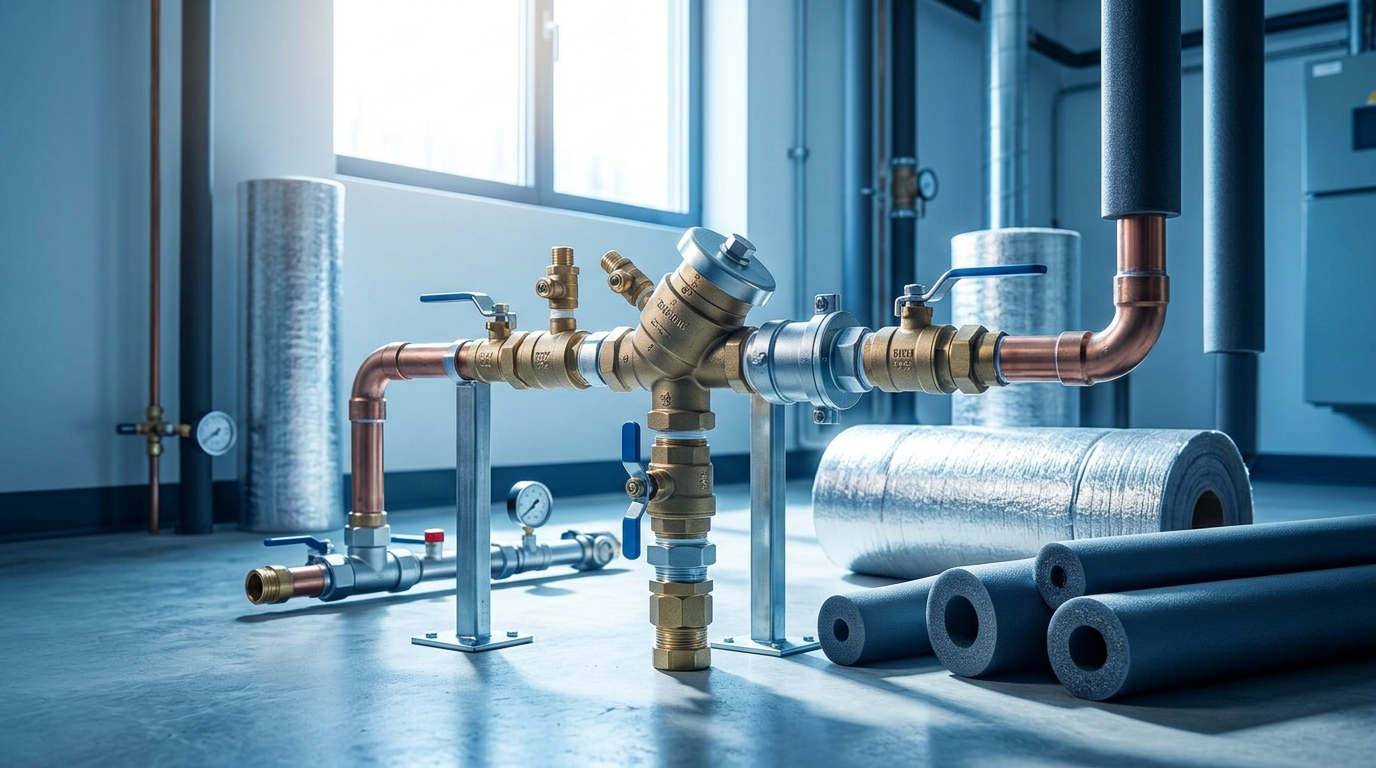
Backflow prevention devices protect the public water supply by keeping contaminated water from flowing backward into clean drinking water lines. In New York City, devices subject to the requirement must be tested every 12 months by a certified tester, with the required report completed and submitted to the Department of Environmental Protection (DEP). Missed testing can lead to enforcement, fines, or water-service disconnection.
For property managers, building owners, businesses, and homeowners, backflow compliance can feel like one more technical task on an already full maintenance list. The important thing is to understand why these devices matter, which properties may need them, and what to do when an annual test or repair is due.
What Backflow Means in Everyday Terms
Water is supposed to travel in one direction: from the public water main, through your building’s plumbing, and out through faucets, fixtures, equipment, and other water-using systems. Backflow occurs when that direction reverses and water from a private plumbing system moves toward the public water supply.
The concern is not ordinary tap water. A private system may contain water exposed to cleaning chemicals, irrigation products, boiler treatment chemicals, food-service equipment, or other contaminants. A backflow prevention device is designed to stop that water from entering the public drinking-water system.
Backflow can occur when there is a change in pressure. For example, a water-main break, heavy water use, or nearby fire-hydrant use can reduce pressure in the public supply line. If pressure drops enough, water may be pulled backward through an unprotected connection. This is why backflow prevention is a public-health issue, not simply a routine plumbing detail.
Understanding Cross-Connections
A cross-connection is any point where potable water could come into contact with a non-potable source. Some cross-connections are obvious, such as a hose placed in a chemical container. Others are part of a building’s equipment or piping and may be less visible to an owner or manager.
Common examples can include irrigation systems, commercial kitchen equipment, boiler systems, fire-protection piping, and certain industrial or medical uses. The purpose of a properly selected backflow device is to protect the drinking-water line where that risk exists.
Not every pipe, faucet, or appliance needs the same type of protection. The appropriate device depends on the property, the water use, and the degree of potential hazard. DEP determines which properties require devices and whether an exemption applies, so owners should not assume that a neighboring building’s setup automatically applies to their own.
Which NYC Properties Commonly May Need a Device?
Backflow requirements vary by property and system. However, several property types and installations commonly may require a backflow prevention device or evaluation. These include commercial buildings, restaurants, properties with fire-sprinkler systems, buildings with boiler systems, irrigation systems, and larger multi-family properties.
A restaurant may have equipment and water connections that call for additional protection. A commercial property may have a complex plumbing layout, specialized equipment, or a dedicated fire-protection line. A multi-family building may have boilers, mechanical rooms, and multiple water uses that need careful review.
For homeowners, the question often arises after installing irrigation, remodeling a property, adding certain equipment, or receiving a notice related to water-service protection. A knowledgeable plumbing professional can help assess the plumbing side of the situation, while DEP remains the authority that determines requirements and exemptions.
What Happens During Annual Backflow Testing?
Annual testing is intended to confirm that the device is operating as designed. In general, a certified tester inspects the assembly, connects testing equipment, and checks whether the device’s internal components respond properly under the required conditions.
The exact process can differ based on the device type, its location, accessibility, and the building’s water configuration. Property owners and managers should make sure the device can be safely accessed and should coordinate with occupants or building staff if a temporary water interruption or access to a mechanical area may be needed.
After the test, the required report must be completed and submitted to DEP. Keep your own organized records as well, including prior test reports, repair documentation, notices, and contact information for the professionals involved. Good recordkeeping makes annual compliance easier to track, particularly across larger portfolios.
Richmond Plumbing and Heating provides practical support for properties throughout Staten Island, Brooklyn, Queens, and New York City. Our backflow prevention and testing
services can help you address device concerns, plan maintenance, and understand the next plumbing steps for your property.
What If the Device Fails the Test?
A failed test does not always mean the entire assembly must be replaced. Depending on the condition and type of device, it may need repair, cleaning, replacement parts, or rebuilding. Once the appropriate work is completed, the device generally needs to be retested to confirm that it is functioning correctly.
Do not ignore a failed result or wait until the next annual cycle. Prompt action helps limit the risk of noncompliance and can prevent a minor mechanical issue from becoming a larger plumbing project. If corrosion, leaks, damaged valves, or poor access are present, it may also be a good time to look at the broader condition of the surrounding piping.
For commercial plumbing in NYC, a coordinated maintenance plan can help building teams stay ahead of backflow concerns, boiler-related piping needs, and other common plumbing problems. Richmond Plumbing and Heating brings a family-owned approach to clear communication, dependable plumbing repair, and practical recommendations.
Protect Exterior and Unheated Devices From Freezing
Seasonal protection matters when a backflow device is installed outdoors or in an unheated area. Freezing conditions can damage valves, fittings, gauges, and internal components. Even a small amount of trapped water can expand as it freezes and create cracks that are not immediately obvious.
Inspect exterior or unheated devices before cold weather arrives. Look for damaged covers, exposed piping, missing insulation, standing water, or signs of previous leaks. Use suitable insulated protection designed for the installation, while preserving safe access for inspection and testing. Do not tightly wrap or cover a device in a way that traps moisture, hides leaks, or prevents necessary service access.
Property managers should also include backflow assemblies in preventive plumbing maintenance checklists. This is especially important at commercial sites, multi-family buildings, and properties where equipment rooms or exterior service areas may not be inspected every day.
Coordinate Backflow Care With Overall Plumbing Maintenance
Backflow prevention is closely connected to the overall condition of your water service and building plumbing. Leaks, aging valves, damaged piping, drainage issues, and construction changes can all affect how easily a system can be maintained and tested.
For businesses and larger buildings, it is useful to review water-related maintenance as a whole. This may include pipe repair, leak detection, water-main concerns, drain maintenance, and video camera inspections when a drainage issue needs a clearer diagnosis. Richmond Plumbing and Heating also provides commercial sewer and drain services
for properties that need dependable support beyond the water-supply side of their plumbing.
With a proactive plan, owners can reduce last-minute scheduling pressure and make it easier to address repairs before they disrupt operations, residents, customers, or tenants.
FAQ
Do all NYC properties need a backflow prevention device?
No. Requirements depend on the property, plumbing systems, and potential cross-connections. Commercial buildings, restaurants, fire-sprinkler properties, boiler systems, irrigation systems, and larger multi-family properties commonly may require devices, but DEP determines requirements and exemptions.
How often does a required device need to be tested?
Devices subject to the requirement must be tested every 12 months by a certified tester. The required report must then be completed and submitted to DEP.
Can a drop in water pressure cause backflow?
Yes. A pressure drop caused by a water-main break, fire-hydrant use, or other high-demand event can create conditions that pull water backward through an unprotected cross-connection.
What should I do if my backflow device fails?
Arrange for the device to be evaluated promptly. It may need repair or rebuilding, followed by retesting to confirm proper operation. The right solution depends on the device’s condition and the specific issue found during testing.
Dependable help makes compliance easier to manage. For practical guidance on backflow prevention, plumbing repairs, and maintenance needs across Staten Island and NYC, contact us at Richmond Plumbing and Heating Co. or call (718) 273-7970.
Backflow Testing in NYC: What Property Owners Need to Know About Annual DEP Compliance
Who's Responsible for Your Sewer Line in NYC? What Every Homeowner Should Know
Repair or Replace? How to Decide on Your Water Heater Before Winter Hits
Boiler Not Heating? Common Causes and What to Do in Your Staten Island Home
What Hydro Jetting Removes and Which Pipes It’s Best For
Why Gel Chemical Drain Cleaners Create Bigger Plumbing Problems (And What to Do Instead)

Why Mini-Splits Are a Smart Upgrade for Home Comfort
Smart Ways to Reduce Cooling Costs This Spring
Common Summer Plumbing Problems and How to Avoid Them
What To Do When Your HVAC Stops Working This Summer
Why Most Unexpected HVAC Breakdowns Happen — And How Routine Maintenance Prevents Them
Annual Water Heater Flush: Protect Your System and Home
Signs Your AC Is Working Too Hard This Summer
Repiping And Sewer Solutions For Safer Home Plumbing
What Happens When Pipes Freeze and How to Handle It

Thanksgiving: A Stress Test for Your Plumbing System
Understanding Your Furnace: Why a Burning Smell Is Normal
Why Annual Heating Maintenance is Essential in New York
Comprehensive Plumbing Solutions for Every Need
Common Summer Plumbing Problems in Staten Island
How Often to Change Your HVAC Air Filter in NYC