
Repair or Replace? How to Decide on Your Water Heater Before Winter Hits
Stephen Ferdinando | Oct 28 2026 13:00
Quick Summary:
Repair often makes sense when a newer water heater has one failed part, such as an ignition component, thermostat, heating element, or valve. Replacement is usually the wiser choice when the tank leaks, the unit is around 10 years old or older, or service calls are becoming routine. Cold incoming winter water and higher household demand can put extra strain on a water heater, making it important to act before a small issue turns into a no-hot-water emergency.
A water heater rarely chooses a convenient time to act up. It may start producing lukewarm water before a busy morning, make unfamiliar noises after guests arrive, or fail just when cold weather makes hot water feel essential.
For homeowners in Staten Island and across NYC, the decision usually comes down to one question: should you repair the water heater or replace it? The right answer depends on the unit’s age, the source of the problem, its repair history, and whether there are signs that the tank itself is nearing the end of its useful life.
Why Water Heaters Work Harder in Winter
During winter, the water entering your home is colder. Your water heater has to raise that water to the temperature your household needs, which can require more effort than it does when incoming water is warmer.
That extra workload can expose problems that were easy to overlook before. A weakening heating element, aging thermostat, unreliable ignition system, or buildup of sediment may suddenly make it harder for the unit to keep up.
Holiday demand can add another layer of stress. More showers, more loads of laundry, extra dishwashing, and overnight guests can quickly use the hot water a household normally has available. Planning ahead for holiday plumbing
needs can help you spot concerns before a high-demand day leaves everyone waiting for the tank to recover.
When a Water Heater Repair Can Make Sense
Not every water heater problem means the entire system needs to be replaced. If the unit is relatively new, has been dependable, and has one identifiable failed component, a professional repair may be the practical option.
For gas water heaters, pilot or ignition trouble can prevent the burner from starting correctly. For electric models, a failed heating element can lead to insufficient hot water or a tank that takes far too long to recover. A thermostat issue can also affect water temperature and performance.
Faulty valves are another common concern. Depending on the valve involved, the problem may be repairable without replacing the tank. These parts should be evaluated by a qualified professional because water heaters combine pressurized water, electricity, gas, combustion, and venting components. Homeowners should avoid DIY work on hazardous components.
Richmond Plumbing and Heating can assess the condition of the unit, identify the actual source of the trouble, and explain whether a targeted repair is likely to provide a dependable result. Our water heater services
are designed to help homeowners make an informed decision rather than guess at the cause of a hot-water problem.
Signs Replacement Is Usually the Better Choice
Some symptoms point beyond a replaceable part. Once the tank itself is compromised, repair may no longer be a sensible or safe long-term plan.
Water around the base of the tank is one of the most important warning signs. Condensation or a nearby plumbing leak can sometimes be the source, but water escaping from the tank itself often indicates internal corrosion or failure. A leaking tank generally needs replacement, and delaying can increase the risk of water damage.
Rusty or discolored hot water can also be a concern, especially when the discoloration appears mainly at hot-water fixtures. It may signal corrosion inside the tank or related plumbing components that deserve professional evaluation.
Loud popping, crackling, or rumbling is another issue to take seriously. Sediment can settle at the bottom of a storage tank over time. As the burner or heating elements work beneath that buildup, the unit may become noisier and less efficient. In some cases, maintenance can help. In an older unit with multiple problems, however, the noise may be part of a larger replacement conversation.
Age matters as well. A water heater around 10 years old or older may be nearing the point where replacement is more practical, particularly if it has needed repeated repairs. A single repair on a newer unit is different from continuing to invest in a system that has become unreliable.
Do Not Wait for a Full Tank Failure
Replacing a water heater on your schedule gives you more control. You have time to consider the right type, capacity, placement, and installation requirements instead of making every decision during an emergency.
Waiting until a tank fails can mean no hot water, an urgent service call, and a greater chance of damage if water escapes into surrounding areas. For homes with finished basements, utility rooms near stored belongings, or water heaters located above living spaces, that risk can be especially stressful.
A trusted Staten Island plumber can inspect an aging unit and help you understand whether it has useful life remaining. Richmond Plumbing and Heating brings a practical, neighborly approach to water heater installation in Staten Island, Brooklyn, Queens, and throughout NYC, helping households plan before a preventable breakdown disrupts the day.
Tank vs. Tankless: Which Fits Your Household?
If replacement is the right choice, you may be deciding between a traditional tank-style water heater and a tankless model. Neither option is automatically best for every home.
A tank water heater stores a set amount of heated water. It is familiar, straightforward for many homes, and can be a good fit when properly sized for household demand. The key is choosing a capacity that matches how many people use hot water and how often high-demand activities overlap.
A tankless water heater heats water as it is needed. It can provide the potential for continuous hot water when the system is correctly sized for the household’s flow needs. It also takes up less physical space than many tank models, which can be appealing in compact NYC homes.
Tankless installation can involve more upfront complexity. Depending on the home and equipment selected, venting, gas-line capacity, electrical needs, and location must all be evaluated. Proper sizing is essential. A household may need enough capacity to support the number of showers, faucets, appliances, and other hot-water uses that could run at the same time.
Richmond Plumbing and Heating can help you compare the options based on your household’s actual habits, available space, and existing setup. The goal is not simply to install a new unit. It is to choose a system that can reliably support your daily routine.
Maintenance Can Support Better Water Heater Performance
Regular care can help identify developing issues before they become urgent. An annual water heater flush
may help manage sediment buildup in appropriate systems and gives a plumbing professional an opportunity to look for warning signs.
Preventive maintenance does not make a failing tank new again, but it can support performance, help you understand the condition of your equipment, and make replacement planning less rushed. If you notice inconsistent temperature, strange sounds, rusty water, moisture around the tank, or more frequent service needs, it is a good time to schedule an inspection.
FAQ
How long should a water heater last?
Service life varies based on water quality, maintenance, usage, installation conditions, and the type of unit. Once a tank-style water heater is around 10 years old, it is wise to watch closely for leaks, corrosion, declining performance, and increasing repair needs.
Can a leaking water heater be repaired?
It depends on where the water is coming from. A connection, valve, or nearby pipe may be repairable. If the tank itself is leaking, replacement is generally the appropriate solution.
Why do I run out of hot water faster in winter?
Incoming water is colder during winter, so your water heater has more work to do. Higher seasonal household demand can also empty a storage tank faster or make recovery time more noticeable.
Is a tankless water heater always better than a tank model?
No. Tankless systems can be an excellent fit for some homes, especially where space savings and continuous hot-water potential are priorities. A properly sized tank model can also be a dependable choice. The best option depends on household use, available space, and installation requirements.
Richmond Plumbing and Heating Co. has kept NYC homes in hot water since 1958. Whether you need help deciding between repair and replacement, want to plan an upgrade, or have an urgent water heater concern, call or text us any time at (718) 273-7970.
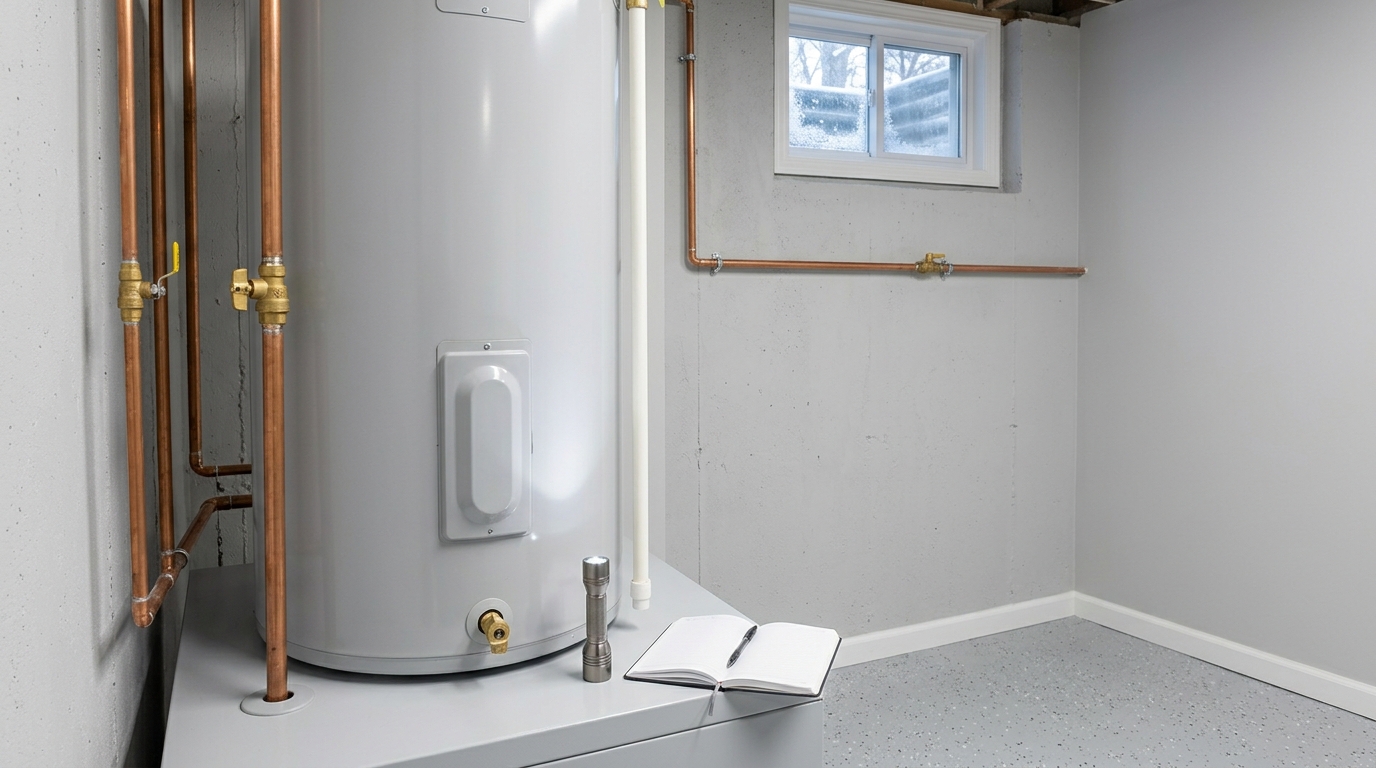
Repair or Replace? How to Decide on Your Water Heater Before Winter Hits
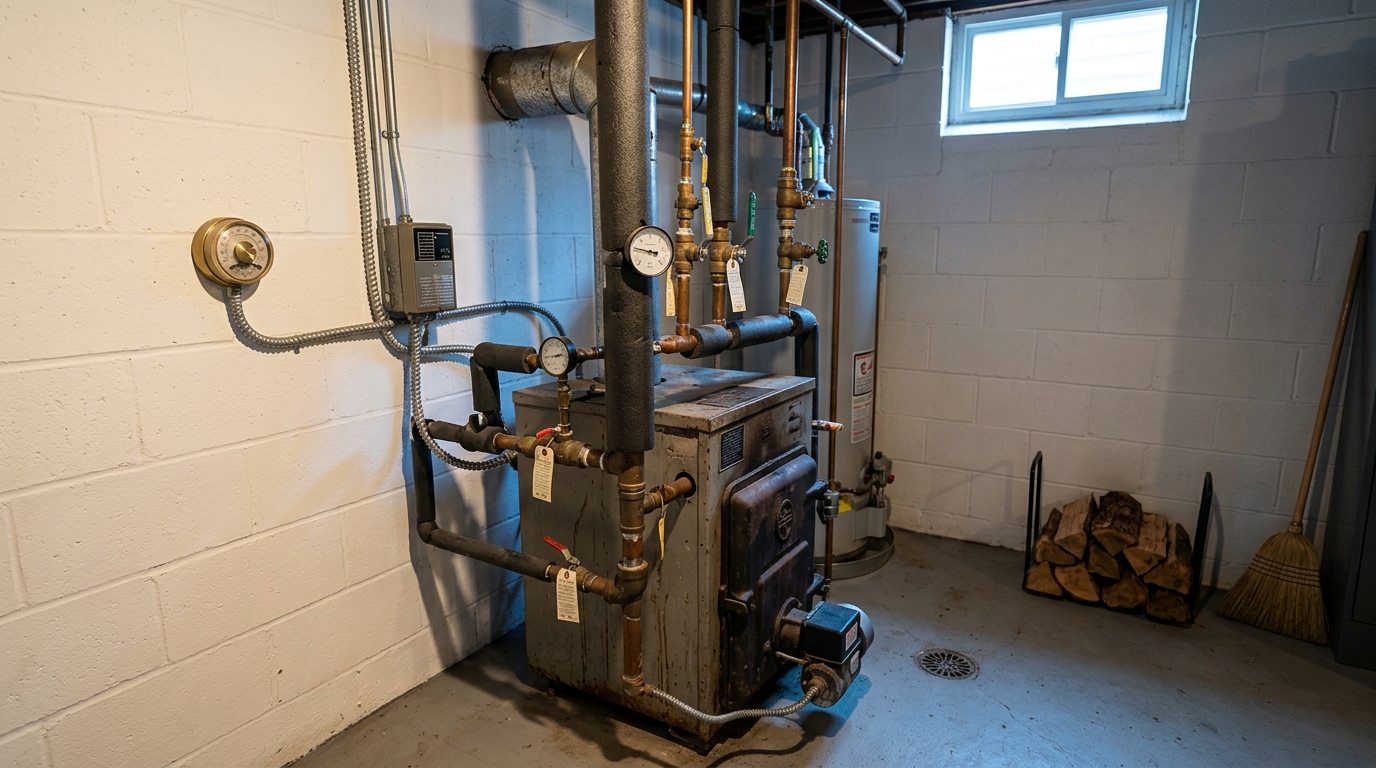
Boiler Not Heating? Common Causes and What to Do in Your Staten Island Home
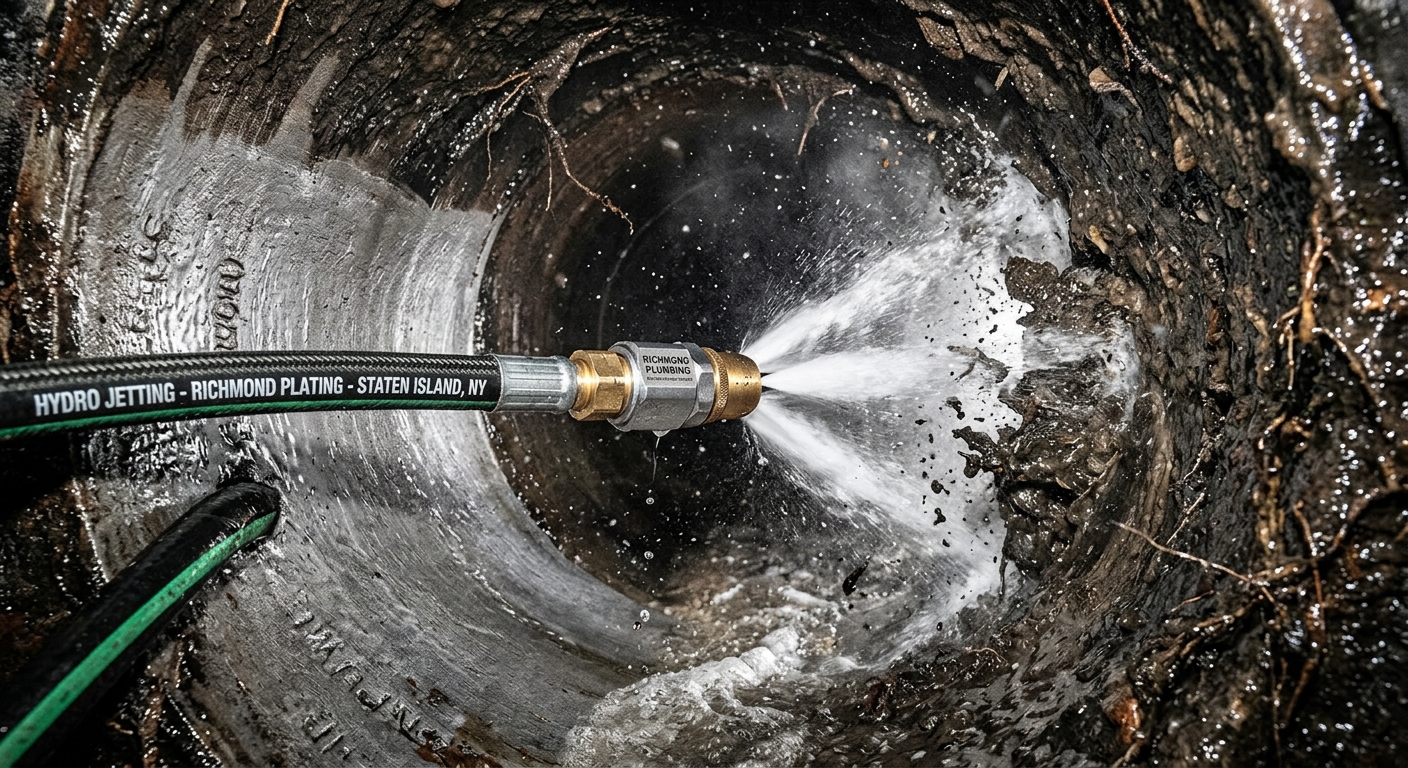
What Hydro Jetting Removes and Which Pipes It’s Best For
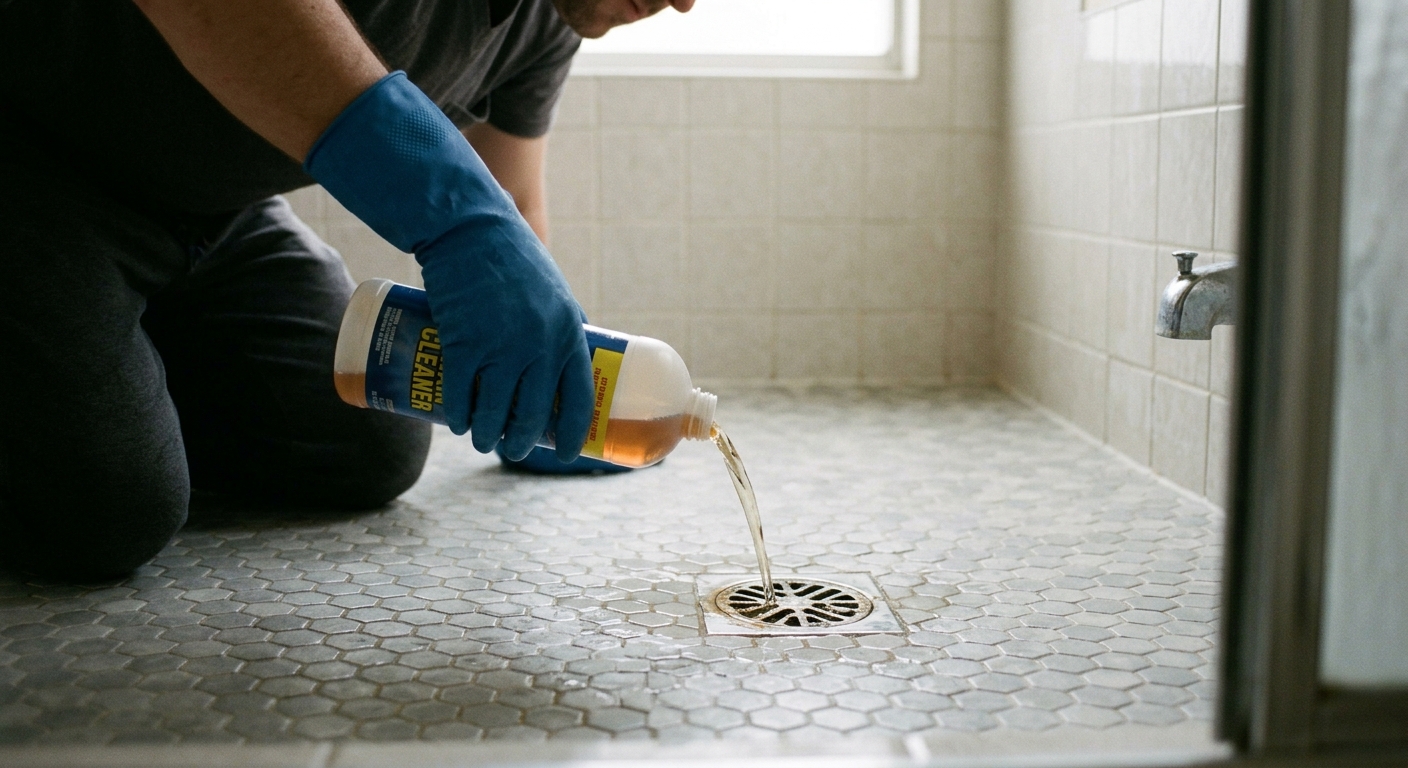
Why Gel Chemical Drain Cleaners Create Bigger Plumbing Problems (And What to Do Instead)

Why Mini-Splits Are a Smart Upgrade for Home Comfort
Smart Ways to Reduce Cooling Costs This Spring
Common Summer Plumbing Problems and How to Avoid Them
What To Do When Your HVAC Stops Working This Summer
Why Most Unexpected HVAC Breakdowns Happen — And How Routine Maintenance Prevents Them
Annual Water Heater Flush: Protect Your System and Home
Signs Your AC Is Working Too Hard This Summer
Repiping And Sewer Solutions For Safer Home Plumbing
What Happens When Pipes Freeze and How to Handle It

Thanksgiving: A Stress Test for Your Plumbing System
Understanding Your Furnace: Why a Burning Smell Is Normal
Why Annual Heating Maintenance is Essential in New York
Comprehensive Plumbing Solutions for Every Need
Common Summer Plumbing Problems in Staten Island
How Often to Change Your HVAC Air Filter in NYC