Boiler Not Heating? Common Causes and What to Do in Your Staten Island Home
Stephen Ferdinando | Oct 14 2026 13:00
Quick Summary
If your boiler is not heating your home, common causes include thermostat or power issues, low water or pressure, trapped air, failed circulator pumps or zone valves, and ignition or burner trouble. You may be able to safely check the thermostat, power, and gauge, but gas, burner, and water-feed work belongs to a licensed professional. A few careful observations can help you describe the problem clearly and get the right help for your Staten Island home.
First, Know Which Type of Boiler You Have
Not every boiler heats a home in the same way. Before you start troubleshooting, it helps to know whether you have a steam boiler or a hot-water, also called hydronic, boiler.
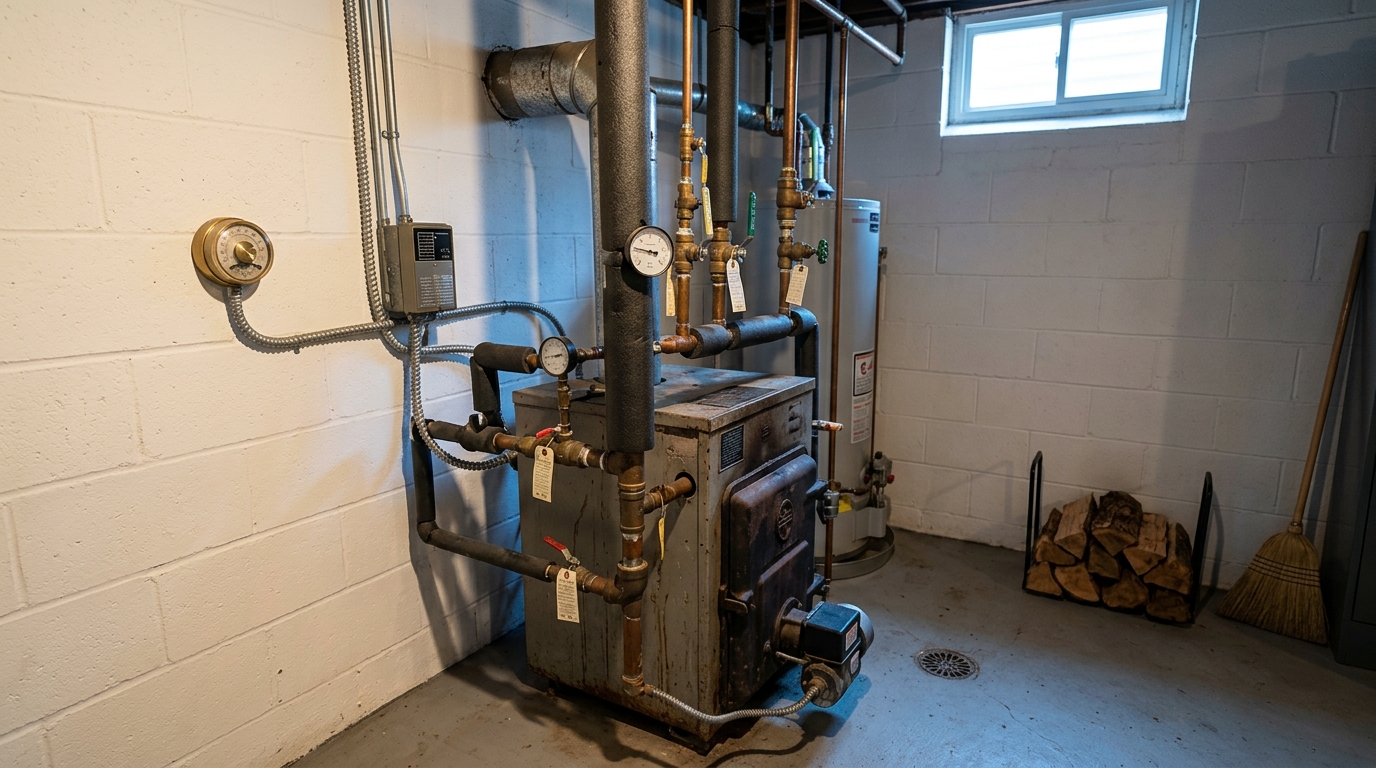
A steam boiler heats water until it becomes steam, which travels through pipes to radiators. These systems are common in older Staten Island homes. A steam boiler typically has a vertical glass tube on the front or side called a sight glass. The water level should generally be visible in that glass. If the glass looks empty or completely full, do not assume you should add water yourself.
A hydronic boiler circulates hot water through baseboards, radiators, or radiant heating lines. It normally has a pressure gauge, often marked in PSI. When the system is cool, many homes operate around 12 to 15 PSI, though your system may vary. Very low pressure can keep hot water from reaching the radiators properly.
Richmond Plumbing and Heating helps homeowners identify and address issues with both types of systems. The right repair starts with knowing how your equipment is supposed to operate.
Start With the Thermostat and Power Supply
A boiler problem is not always a boiler problem. Sometimes the thermostat is not calling for heat, or power to the system has been interrupted.
Set your thermostat to heat and raise the temperature several degrees above the current room temperature. If the thermostat uses batteries, replace them with fresh ones. Weak batteries can cause inconsistent operation, a blank screen, or no call for heat at all.
Next, check your electrical panel for a tripped breaker. You should also look for the emergency switch that is often located near the basement stairs. It may look like a standard light switch, but it controls power to the heating equipment. Make sure it has not been switched off accidentally.
If the boiler still does not start after these basic checks, avoid repeatedly turning switches and breakers on and off. That can make it harder to identify an underlying electrical, control, or safety issue.
Low Water or Low Pressure Can Stop the Heat
Steam and hot-water boilers both need the correct water level to operate safely. However, the safe way to assess the issue depends on the system type.
On a steam boiler, look at the sight glass without touching valves or controls. If you cannot see water in the glass, if the level is behaving erratically, or if you are unsure what you are seeing, call for service. Never add water to a hot steam boiler.
Adding cold water to hot equipment can create a serious safety risk and may damage the boiler.
On a hydronic system, check the pressure gauge. A reading near zero or well below the normal range can point to low water pressure, a leak, a faulty pressure-reducing valve, or another issue within the system. While it may be tempting to adjust the water feed, that is work best left to a qualified technician. Too much pressure can trigger the relief valve or cause additional problems.
For dependable boiler repair and maintenance, Richmond Plumbing and Heating can inspect the system, locate the cause of pressure or water-level trouble, and make the appropriate repair.
Cold or Gurgling Radiators May Mean Trapped Air
If some rooms are warm while others stay cold, trapped air may be interrupting circulation in a hot-water system. You may hear gurgling, bubbling, or rushing-water sounds in radiators or baseboards. A radiator may also feel warm at the bottom and cool at the top.
Air removal can be a routine part of maintaining a hydronic system, but it is important to know where the air is coming from. Repeated air buildup can signal a pressure problem, a leak, an expansion-tank concern, or an issue with the automatic air vent.
Steam radiators have different concerns. They may heat unevenly when vents are clogged, the radiator is not pitched correctly, or condensate is not draining back to the boiler as it should. Banging pipes, often called water hammer, should not be ignored. It can point to improper drainage, excessive water, or other steam-system issues.
Circulator Pumps and Zone Valves Keep Heat Moving
Hydronic boilers rely on a circulator pump to move hot water through the system. Homes with multiple heating zones may also use zone valves to direct heat where it is needed.
When a circulator pump fails, the boiler may heat up but your radiators or baseboards may remain cold. A failed zone valve can leave one area of the home chilly while other rooms heat normally. You might hear unusual humming, clicking, or grinding near the boiler, although not every failed component makes a noticeable sound.
These parts involve electricity, moving components, hot water, and controls. A professional can test whether the thermostat is sending the right signal, whether the pump is operating, and whether each zone is opening and circulating correctly.
Ignition and Burner Problems Need Professional Attention
If the boiler is receiving power and calling for heat but will not fire, the issue could involve ignition, sensors, fuel delivery, burners, or safety controls. Modern boilers may display an error code. Older systems may simply fail to start.
Do not remove access panels or attempt to open the burner compartment. Never open the burner
or try to clean or relight components yourself. A dirty burner, worn ignition part, blocked vent, or combustion issue needs a proper diagnosis.
If you notice a yellow flame instead of a steady blue flame, soot around the equipment, or unusual exhaust odors, shut the system down if you can do so safely and call for service. If you smell gas, do not use switches, appliances, phones, or flames inside the building. Leave the building immediately, call the gas utility, and call 911 from a safe location.
A light dust smell can sometimes happen when heat first starts after a long period off. Learn more about a burning smell at first startup
and when an odor should be treated as a warning sign.
A Short, Safe Homeowner Checklist
Before scheduling boiler service, you can safely gather a few useful details:
- Confirm that the thermostat is set to heat and has fresh batteries if applicable.
- Check that the boiler breaker and emergency switch near the basement stairs are on.
- Look at the steam-boiler sight glass or hydronic pressure gauge without adjusting any valves.
- Note whether every room is cold or only certain radiators or zones are affected.
- Listen for banging, gurgling, humming, clicking, or repeated starting and stopping.
- Look for water on the floor, visible leaks, soot, or relief-valve discharge.
Do not add water to a hot steam boiler, open the burner, disassemble controls, or attempt gas-related repairs. Those are not homeowner tasks.
Warning Signs That Call for Boiler Service
Some heating problems should be addressed promptly, especially during a New York cold spell. Contact a heating professional if you notice banging or persistent gurgling, water leaks, frequent short cycling, or water discharging from the relief valve.
You should also schedule service for a yellow or sooty flame, repeated ignition failures, an unexplained pressure drop, or radiators that remain cold after basic thermostat and power checks. An older boiler that needs repair again and again may need a broader evaluation. Richmond Plumbing and Heating can help you understand the condition of the system and your practical next steps without pushing you toward an unnecessary decision.
Why Fall Boiler Maintenance Matters
Fall is a smart time to prepare your heating system before it is working every day. Professional maintenance can include cleaning accessible components, checking combustion, testing the low-water cutoff on a steam boiler, and inspecting venting for safe operation.
For hot-water systems, service may also include checking pressure, circulation, controls, and signs of leaks. Regular care gives a technician the chance to spot wear before it becomes a no-heat call.
Richmond Plumbing and Heating provides heating and cooling support across Staten Island and throughout New York City. Scheduling annual heating maintenance
is a practical way to protect comfort, safety, and reliability when the temperature drops.
FAQ
Why is my boiler on but my radiators are cold?
The thermostat may not be calling correctly, the system may have low water or pressure, air may be trapped in a hot-water loop, or a circulator pump or zone valve may have failed. A technician can determine which part is preventing heat from moving through the home.
What should the water level look like in a steam-boiler sight glass?
You should generally see water in the sight glass, but the correct level and behavior depend on your boiler. If the glass appears empty, full, or unusually dirty, do not add water to a hot boiler. Have a professional inspect it.
Why does my boiler keep turning on and off?
Frequent cycling can be caused by thermostat issues, pressure problems, restricted circulation, a dirty burner, an oversized system, or a failing control. Because several safety and combustion components may be involved, professional service is the safest next step.
When should I call for emergency boiler help?
Call promptly for no heat during cold weather, significant leaks, relief-valve discharge, loud banging, repeated lockouts, soot, or a yellow flame. If you smell gas, leave the building and call the gas utility and 911 from a safe location.
A cold house in a New York winter is more than an inconvenience. The Ferdinando family has served Staten Island since 1958, and Richmond Plumbing and Heating is here to help with heating concerns large and small. To schedule service or discuss what you are seeing, contact our team. Calls and texts are answered 24/7 at (718) 273-7970.
Boiler Not Heating? Common Causes and What to Do in Your Staten Island Home
What Hydro Jetting Removes and Which Pipes It’s Best For
Why Gel Chemical Drain Cleaners Create Bigger Plumbing Problems (And What to Do Instead)
Why Mini-Splits Are a Smart Upgrade for Home Comfort
Smart Ways to Reduce Cooling Costs This Spring
Common Summer Plumbing Problems and How to Avoid Them
What To Do When Your HVAC Stops Working This Summer
Why Most Unexpected HVAC Breakdowns Happen — And How Routine Maintenance Prevents Them
Annual Water Heater Flush: Protect Your System and Home
Signs Your AC Is Working Too Hard This Summer
Repiping And Sewer Solutions For Safer Home Plumbing
What Happens When Pipes Freeze and How to Handle It

Thanksgiving: A Stress Test for Your Plumbing System
Understanding Your Furnace: Why a Burning Smell Is Normal
Why Annual Heating Maintenance is Essential in New York
Comprehensive Plumbing Solutions for Every Need
Common Summer Plumbing Problems in Staten Island
How Often to Change Your HVAC Air Filter in NYC