Why Gel Chemical Drain Cleaners Create Bigger Plumbing Problems (And What to Do Instead)
Stephen Ferdinando | Aug 19 2026 13:00
When a kitchen sink won’t drain or a shower backs up, it’s tempting to grab a bottle of thick, gel-style chemical drain cleaner. They’re everywhere in stores, they promise fast results, and the bottle makes it sound like a quick fix. But those gel products often create bigger headaches—both in the moment and down the line. As licensed master plumbers serving Staten Island, Brooklyn, Queens, and the rest of NYC since 1958, we’ve seen how these so-called solutions can turn a small clog into a costly plumbing repair.
This article breaks down why gel chemical drain cleaners should be avoided, how they can damage your plumbing system, and what safer alternatives actually work.
Why Gel Drain Cleaners Seem Appealing (But Aren’t)
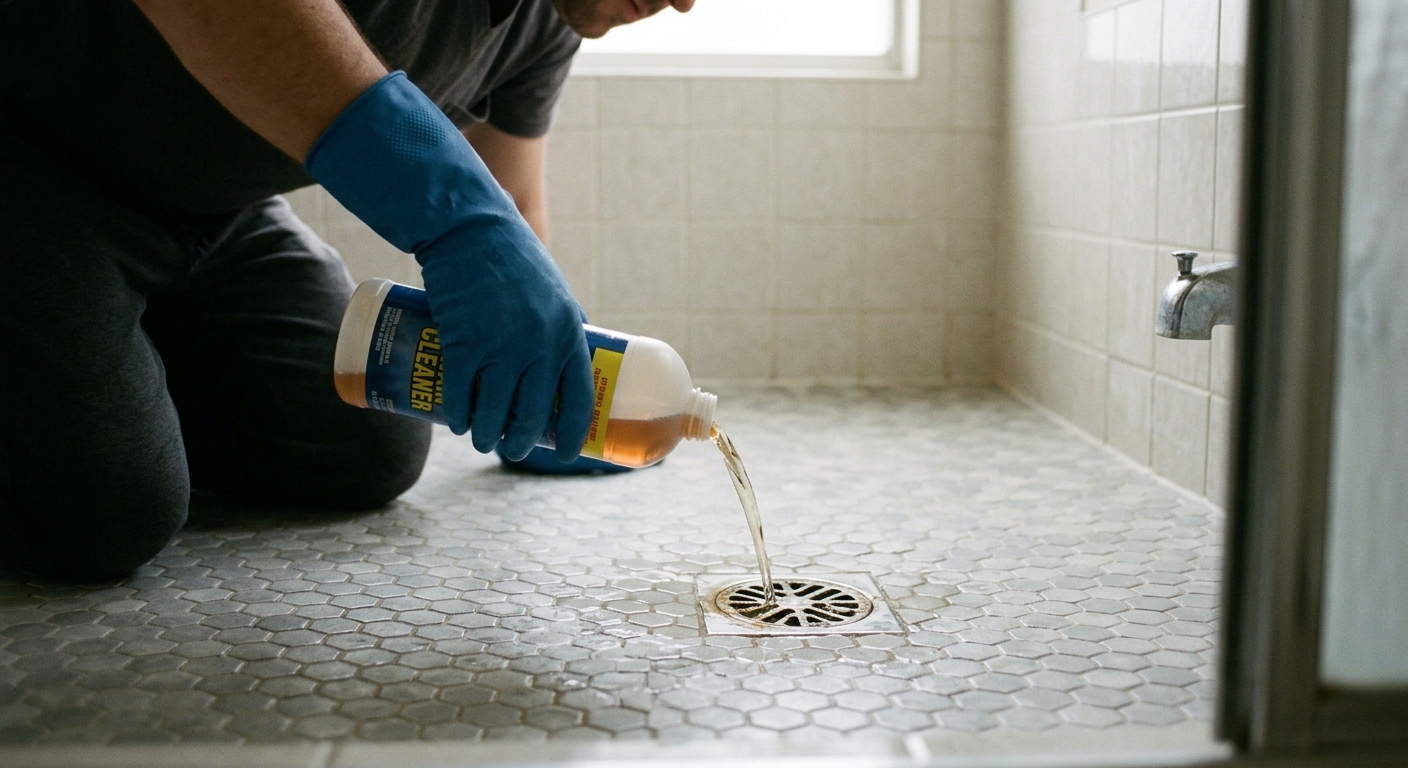
Gel drain cleaners are marketed as powerful clog removers that cling to pipes and dissolve buildup. In reality, the “cling” factor is part of the problem. Because the gel is thick and heavy, it often settles in one spot instead of flowing through the entire line. That means it may sit on top of a clog rather than breaking it down—leading to heat, pressure, and chemical reactions that can be unsafe for your plumbing.
At Richmond Plumbing and Heating, we frequently get emergency plumber calls in Staten Island from homeowners who tried a gel product first, only to end up with worse blockages, backed-up sinks, or pipe damage.
How Gel Chemical Drain Cleaners Actually Work
Most gel products rely on harsh chemicals like sodium hydroxide (lye) or sulfuric acid. These chemicals create heat as they react with organic matter in your drain line. That heat is meant to “burn through” grease, food scraps, hair, and soap scum. But here’s the catch: if the gel can’t move past the clog—or worse, becomes trapped—it concentrates all that heat in one place. Over time, that heat can warp PVC pipes, erode metal pipes, or weaken older plumbing systems found in many Staten Island and NYC homes.
The quick fix you hoped for can easily become a hidden plumbing failure waiting to happen.
The Immediate Mess: When Gel Cleaners Backfire
When the gel can’t break through a clog, several things can happen—and none are good:
- Chemicals splash back when water is run, creating a safety hazard.
- Clogs become stickier as the gel congeals around debris, making the blockage tougher to remove.
- Sinks or tubs fill with chemical-laden water, leaving behind dangerous residue.
- Vent pipes and traps get overwhelmed, causing foul odors that linger in your home.
We’ve been called to more than a few Staten Island plumbing repair jobs where the drain clog could have been cleared in minutes—if the homeowner hadn’t poured chemicals into the system first.
Long-Term Damage: The Hidden Cost of Gel Drain Cleaners
Beyond the messy backups, gel cleaners can slowly eat away at your plumbing infrastructure. These chemicals don’t know the difference between organic clogs and metal, rubber, or plastic components in your drains. Over time, they can:
- Corrode metal pipes, especially older galvanized lines common in NYC buildings.
- Warp or soften PVC pipes, especially when heat builds up.
- Weaken seals and gaskets in your plumbing system.
- Damage drain traps, leading to leaks or continuous drain odors.
If enough chemical residue pools in the same area, it can even shorten the lifespan of your entire plumbing system—turning a $150 drain cleaning into a multi-thousand-dollar pipe replacement.
Why Gel Drain Cleaners Are Especially Risky in NYC Homes
Between Staten Island’s historic homes, the older multi-family buildings found in Brooklyn and Queens, and the dense plumbing systems throughout NYC, harsh chemical gels pose unique risks. Many local properties have aging infrastructure that simply can’t handle the heat and acidity of modern drain cleaners. At Richmond Plumbing and Heating, our 24/7 plumbing team sees the same pattern: chemical cleaners used in older systems often lead to leaks, rotten piping, and even full sewer line failures.
Plus, when gel cleaners accumulate in shared drain lines—common in multi-unit dwellings—they can affect multiple apartments, causing backups and creating building-wide headaches.
When Gel Cleaners Mix With Other Substances
Another hidden danger: mixing gel cleaners with other household chemicals, whether intentionally or not. Combining gel drain cleaners with bleach, ammonia-based products, or even vinegar can trigger dangerous chemical reactions. These reactions can release toxic fumes or produce extreme heat—both of which pose serious health and structural risks.
Safe and Effective Alternatives to Gel Drain Cleaners
The best part? You can avoid all these hazards with safer, more effective options:
- A simple plunger often clears minor clogs without any chemicals.
- Drain snakes or hand augers can break apart clogs mechanically.
- Enzyme-based cleaners work slowly but safely by breaking down organic matter.
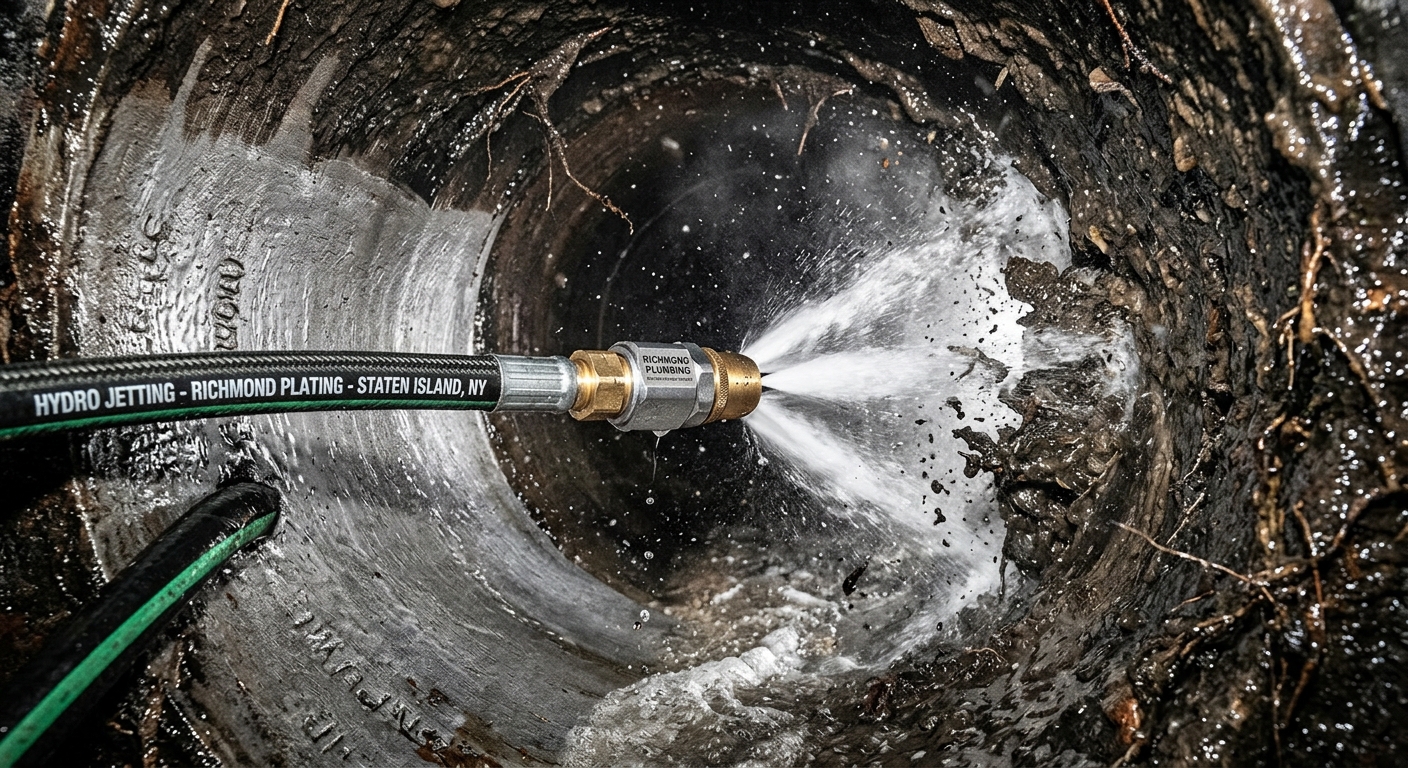
- Professional drain cleaning using methods like hydro jetting or video camera pipe inspection ensures thorough, long-lasting results.
Our team at Richmond Plumbing and Heating uses industry-grade tools—from mechanical snaking to hydro jetting—to safely and completely eliminate clogs without damaging your pipes.
When to Call a Professional Plumber
If you’ve tried plunging or snaking the line and the clog keeps coming back, it’s a sign that your drain may have deeper issues—like heavy buildup, sewer line blockages, or damaged piping. Chemical gel cleaners won’t fix these underlying problems, but a trained, licensed plumber will.
As a trusted Staten Island plumber with over six decades of experience, we handle residential plumbing, commercial plumbing, emergency drain cleaning, and full-service sewer repairs. When you call us, you’re getting a team that knows how to diagnose the true cause of a clog—and fix it right the first time.
FAQ
Are gel drain cleaners safe for PVC pipes?
No. The heat generated by gel chemical reactions can warp or soften PVC pipes, especially when the gel pools in one spot.
Can gel drain cleaners damage older plumbing systems?
Absolutely. Older metal pipes—common in NYC homes—are especially vulnerable to corrosion from harsh chemicals like lye or acid.
What should I do if I already used a gel drain cleaner and the clog didn't clear?
Do not pour in any additional products. Avoid running hot water, and call a licensed plumber immediately for professional drain cleaning.
Are natural alternatives effective for clogged drains?
Some enzyme-based cleaners can help maintain clear drains over time, but they won’t remove large or stubborn blockages. Mechanical cleaning is usually more effective.
What’s the safest way to prevent clogs?
Use drain screens, avoid pouring grease or oils down the sink, and schedule preventive plumbing maintenance with a trusted Staten Island plumber like Richmond Plumbing and Heating.
Gel drain cleaners may seem convenient, but they’re more likely to cause lasting damage and bigger messes. When you need reliable, safe, and effective drain cleaning, our family-owned team is always here to help—24/7, rain or shine.
What Hydro Jetting Removes and Which Pipes It’s Best For
Why Gel Chemical Drain Cleaners Create Bigger Plumbing Problems (And What to Do Instead)
Why Mini-Splits Are a Smart Upgrade for Home Comfort
Smart Ways to Reduce Cooling Costs This Spring
Common Summer Plumbing Problems and How to Avoid Them
What To Do When Your HVAC Stops Working This Summer
Why Most Unexpected HVAC Breakdowns Happen — And How Routine Maintenance Prevents Them
Annual Water Heater Flush: Protect Your System and Home
Signs Your AC Is Working Too Hard This Summer
Repiping And Sewer Solutions For Safer Home Plumbing
What Happens When Pipes Freeze and How to Handle It

Thanksgiving: A Stress Test for Your Plumbing System
Understanding Your Furnace: Why a Burning Smell Is Normal
Why Annual Heating Maintenance is Essential in New York
Comprehensive Plumbing Solutions for Every Need

Common Summer Plumbing Problems in Staten Island
How Often to Change Your HVAC Air Filter in NYC